
Why Choose High End Speed Gate KZ FT069S?

Choosing a high-end speed gate requires more than attractive design or fast opening times. The High-end speed gate KZ-FT069S deserves attention because it combines controlled pedestrian access with a clean, professional appearance. In busy offices, hotels, transport facilities, and commercial buildings, every passage matters. A gate should respond quickly, guide users clearly, and remain dependable during repeated daily operation.

The KZ-FT069S can support organized entry when connected with suitable access-control equipment, such as card readers, QR systems, or biometric terminals. Its sensors should detect passage direction and help reduce tailgating risks. Clear indicator lights also make the user experience easier, especially in crowded lobbies or dim corridors. The housing, moving panels, and internal mechanism need regular inspection. Small maintenance details often decide long-term performance.

Real projects are rarely perfect. Installation space, user traffic, climate, and security requirements can change the result. A gate that performs well in a showroom may need adjustment on site. That is why buyers should review technical specifications, passage width, emergency release functions, noise levels, and service support before ordering. Testing the High-end speed gate KZ-FT069S under realistic traffic conditions is a sensible step. It may not solve every access challenge. However, with professional installation, documented testing, and consistent maintenance, it can become a reliable part of a modern entrance system. Experience matters here. So does honest evaluation.
Why Choose High End Speed Gate KZ FT069S?

KZ FT069S High-End Speed Gate Overview

Why Choose High End Speed Gate KZ FT069S?

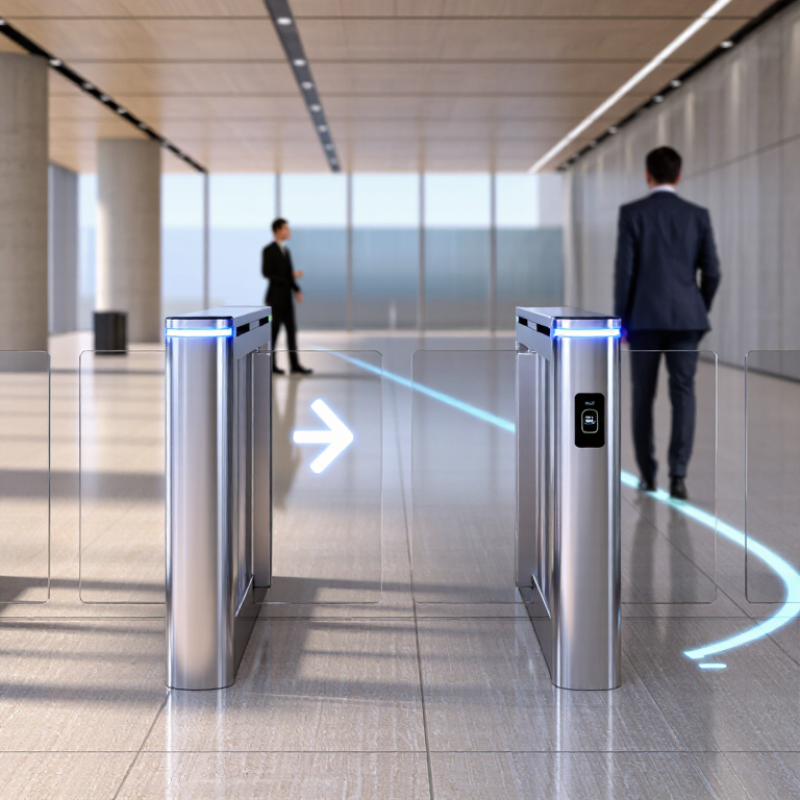
The KZ FT069S High-End Speed Gate Overview begins with controlled pedestrian flow. It is designed for entrances requiring fast movement, clear direction, and disciplined access decisions. A properly configured speed gate can reduce tailgating risks through sensor zones and timed glass-wing movement. The result feels smoother than a basic turnstile, especially during morning arrivals.

Industry demand supports this approach. MarketsandMarkets reported that the global access control market could grow from about USD 10.3 billion in 2024 to USD 15.2 billion by 2029. The report identifies authentication, monitoring, and integrated security management as important growth factors. For facility managers, this means a gate should connect reliably with credentials, alarms, visitor systems, and emergency procedures. Speed alone is not enough.

Details matter. An evaluator should inspect lane width, sensor response, passage capacity, noise, and maintenance access. The KZ FT069S should also be assessed under real traffic, not only in a quiet showroom. Watch the glass panels close behind a person. Check whether the sensors react consistently to bags, children, and hesitant users. Small errors become frustrating during peak periods. That matters.

A high-end gate may improve appearance and control, but installation quality can change the outcome. Poor alignment or weak software integration can undermine excellent hardware. I would request test records, service intervals, and documented safety compliance before approval. Not always comfortable, but necessary.

Key Design Features and Access Control Functions

Why Choose High End Speed Gate KZ FT069S?

High-end speed gates are judged by more than appearance. The KZ FT069S concept combines a narrow footprint, guided pedestrian flow, and controlled barrier movement. Optical sensors should detect tailgating, reverse entry, and unsafe passage attempts. Tempered glass wings also improve visibility around the lane. That matters in busy lobbies, where a small blind spot can create confusion.

MarketsandMarkets estimates the global access control market could grow from USD 10.3 billion in 2023 to USD 15.2 billion by 2028. Reliable movement control is becoming a practical investment.

The main design value is integration.

The gate can connect with card readers, QR scanners, biometric terminals, fire alarm systems, and visitor platforms. A clear LED status indicator helps guards understand entry conditions at a glance. Adjustable passage timing can reduce unnecessary alarms during peak periods. Anti-pinch protection and automatic emergency release support safer evacuation. These functions should be tested on site, not accepted from a brochure.

Daily operation reveals the real quality.

Watch the wings open smoothly, without harsh vibration or delayed closing. Check whether the access log records denied attempts accurately. The International Organization for Standardization stresses risk-based control and dependable system performance across security environments. Still, no gate prevents every misuse. Poor installation, weak credentials, or careless maintenance can defeat excellent hardware. A quarterly inspection remains sensible, even when the equipment appears flawless.

How KZ FT069S Enhances Security and Traffic Efficiency

A high-end speed gate can improve both security and traffic efficiency when it is matched to the site’s daily rhythm. The KZ FT069S uses controlled lane access to guide authorized people through one passage at a time. Its compact structure suits office entrances, transport facilities, campuses, and other busy environments. In practical use, clear sensor response helps reduce hesitation at the lane. That matters during morning peaks.

Security depends on more than blocking unauthorized entry. The gate should detect unusual movement, limit tailgating, and support reliable access-control systems. Staff can review entry records and respond to repeated access failures. A visible barrier also creates a simple psychological boundary. People understand where to wait and where to pass. Less confusion means fewer sudden stops. The lane stays calmer.

Traffic efficiency is not only about speed. It includes safe spacing, predictable movement, and easy maintenance. A durable gate can support frequent operation without making the entrance feel harsh or crowded. However, no system removes every risk. Poor installation, weak network design, or unclear visitor procedures can reduce its value. That is easy to overlook. Site managers should test the gate during real peak periods, not only in demonstrations. They should also check accessibility, emergency release settings, and cleaning routines. Small details often decide whether a secure entrance works smoothly every day.

Why Choose High-End Speed Gate KZ FT069S?

How a High-Speed Access Gate Enhances Security and Traffic Efficiency

The model compares typical access-control operating scenarios. Throughput potential is calculated as 60 seconds divided by the average processing time per person, while security response time represents the time required to detect and react to an unauthorized passage. Actual results vary according to site layout, user behavior, sensor configuration, and operating policy.

Installation, Operation, and Maintenance Considerations

Why Choose a High-End Speed Gate?

A high-end speed gate earns its value through controlled installation, predictable operation, and disciplined maintenance. Before installation, measure corridor width, floor level, cable routes, and emergency access. A solid concrete base reduces vibration and protects sensor alignment. Leave service clearance around the cabinet. Do not guess. Use qualified electrical technicians and follow the equipment manual during connection and testing.

During commissioning, test entry, exit, tailgating detection, power recovery, and manual release. Record each result with dates, settings, and observed faults. Operators need simple training: wait for the indicator, pass one person at a time, and never force the panels. Clear signage helps, but supervision still matters during busy periods. Our field experience shows that small alignment errors can create repeated false alarms. The first adjustment is not always correct. Review logs after several days.

Maintenance should include weekly cleaning around sensors, panels, and floor tracks. Dust and loose debris can affect movement. Inspect fasteners, hinges, cables, indicators, and emergency controls monthly. Replace worn components with approved equivalents, and keep configuration records after every change. If the gate opens slowly, do not immediately increase motor power. Check for obstruction, voltage variation, sensor timing, and mechanical resistance first. This cautious approach may take longer, but it reduces avoidable wear and helps technicians identify problems before service becomes unreliable.

Applications and Selection Criteria for Different Facilities

Why Choose a High-End Speed Gate?

Different facilities demand different access strategies. Corporate offices often prioritize quiet operation, refined appearance, and reliable employee authentication. A narrow glass lane may suit a lobby with limited floor space. A wider lane works better for visitors carrying luggage or equipment.

Transport hubs need rapid throughput and accurate presence detection. Hospitals require smoother passage, clear status signals, and suitable accessibility options. Schools may need stronger supervision, simpler controls, and durable surfaces. Every location has different pressure points. One design cannot solve them all.

Selection should begin with daily traffic, peak entry times, lane dimensions, and user types. Check whether the gate supports card readers, mobile credentials, or visitor systems. Sensor performance matters near bright windows, reflective floors, and crowded entrances. Ask about emergency release, maintenance access, and replacement parts. These details affect real operating costs.

Material quality also deserves close inspection. Stainless steel, tempered glass, and protected electronics can improve long-term reliability. However, premium materials do not guarantee good performance. Poor installation can create alignment problems and unnecessary alarms. I have seen attractive entrances become frustrating when pedestrian flow was ignored. A practical site survey may reveal that fewer lanes, wider clearance, or a simpler control system is the better choice. Doorway habits can be unpredictable. Allow room for revision.